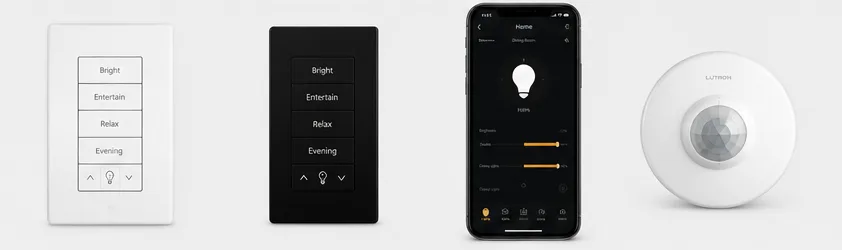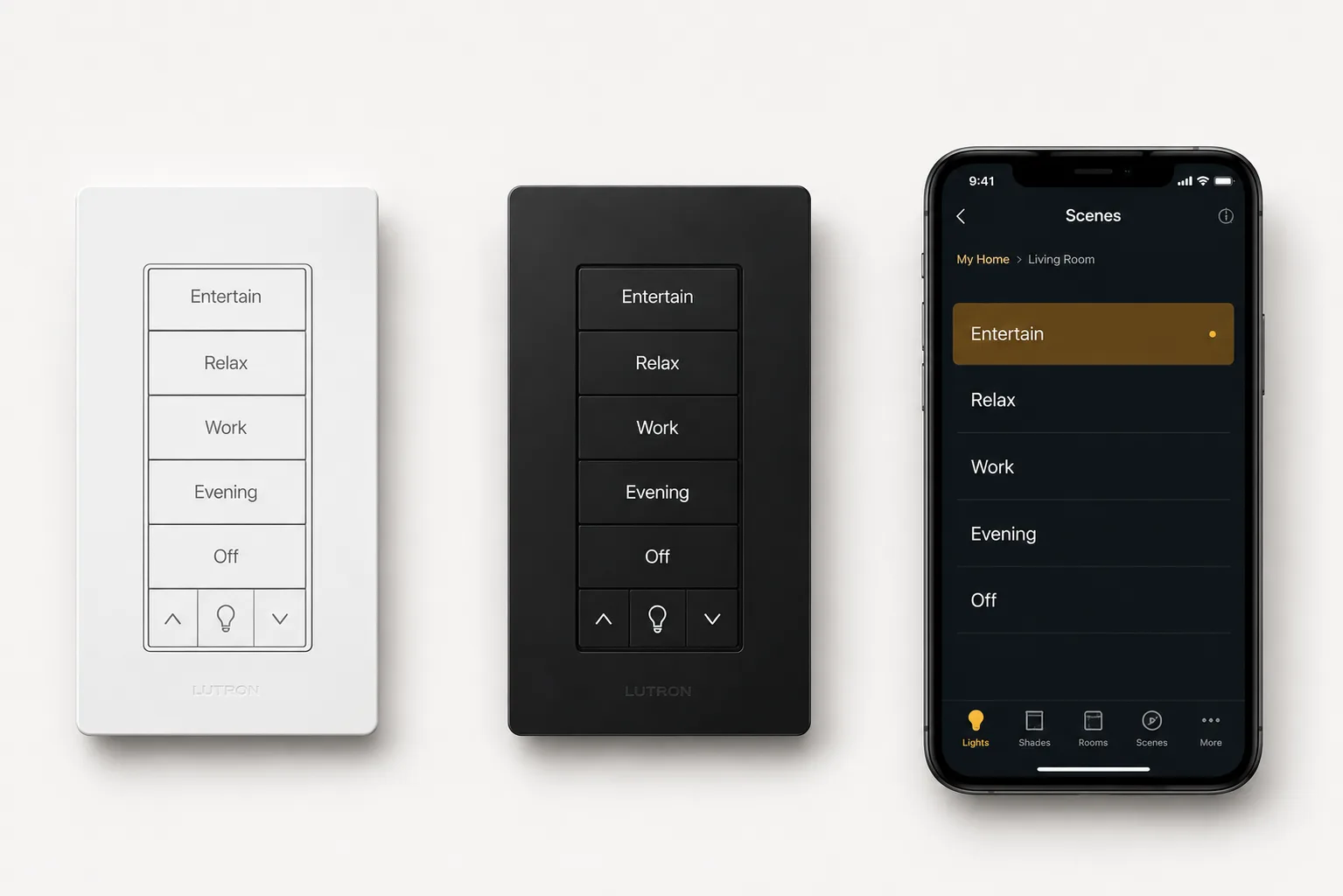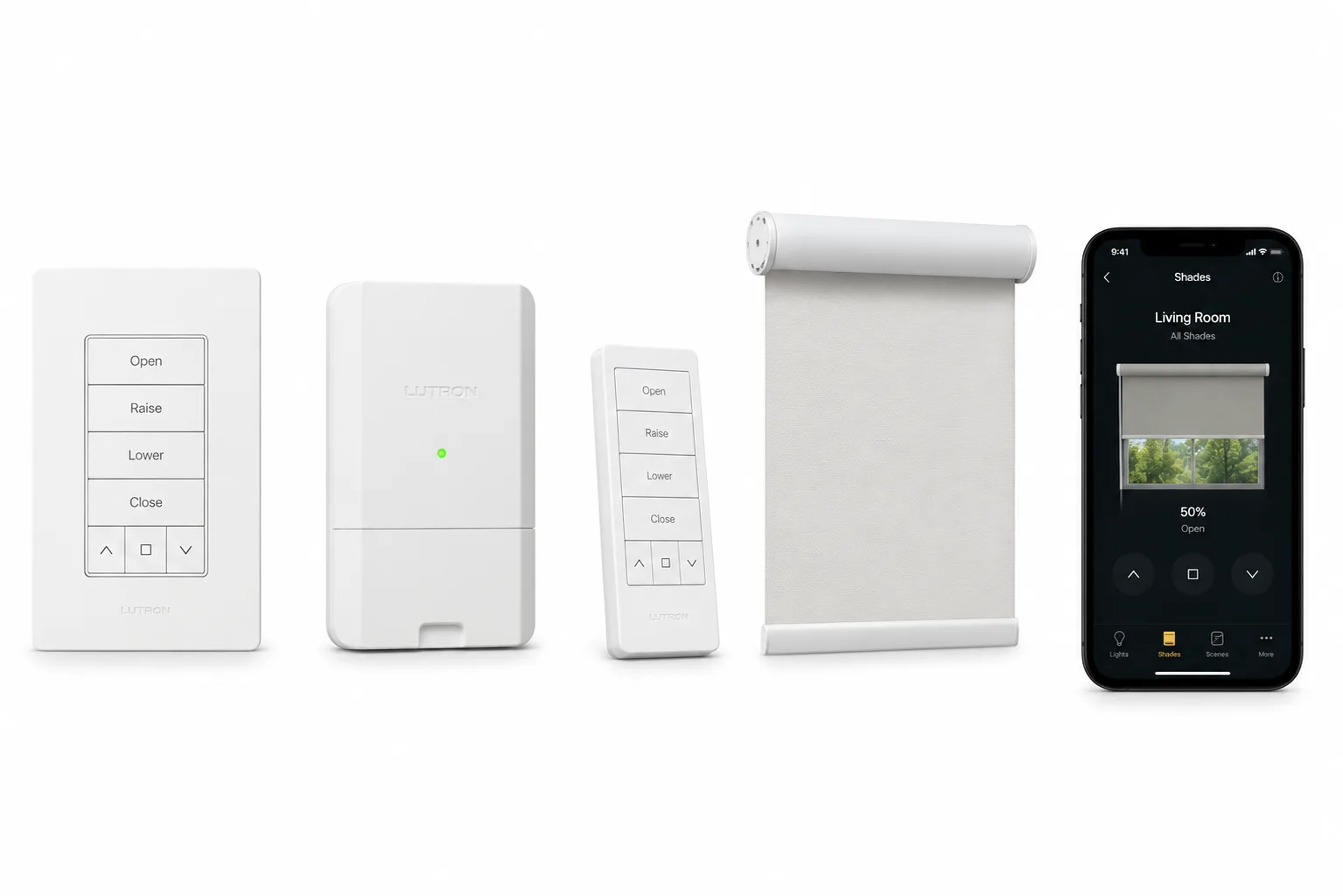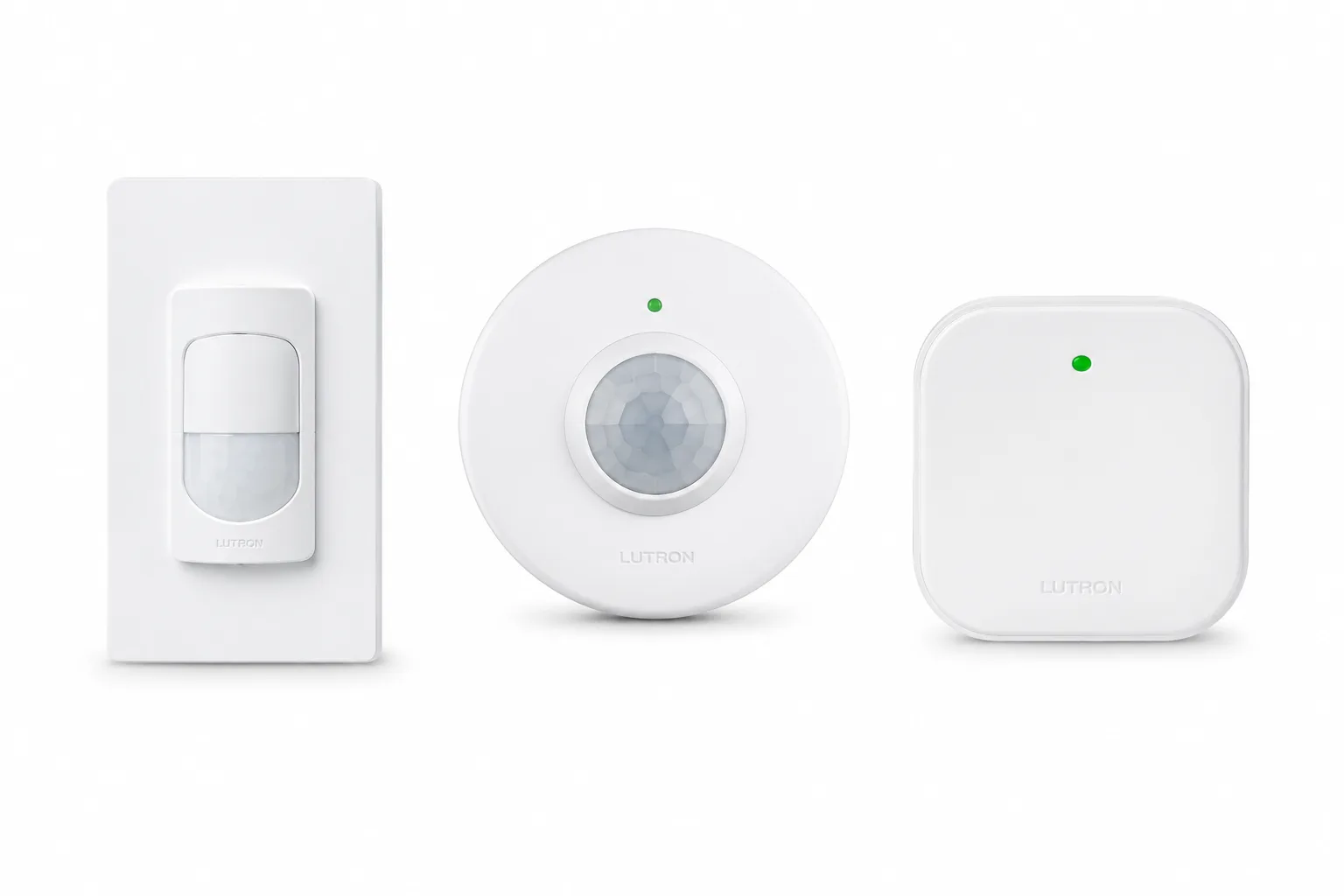
Featured capability
Motorized Shades
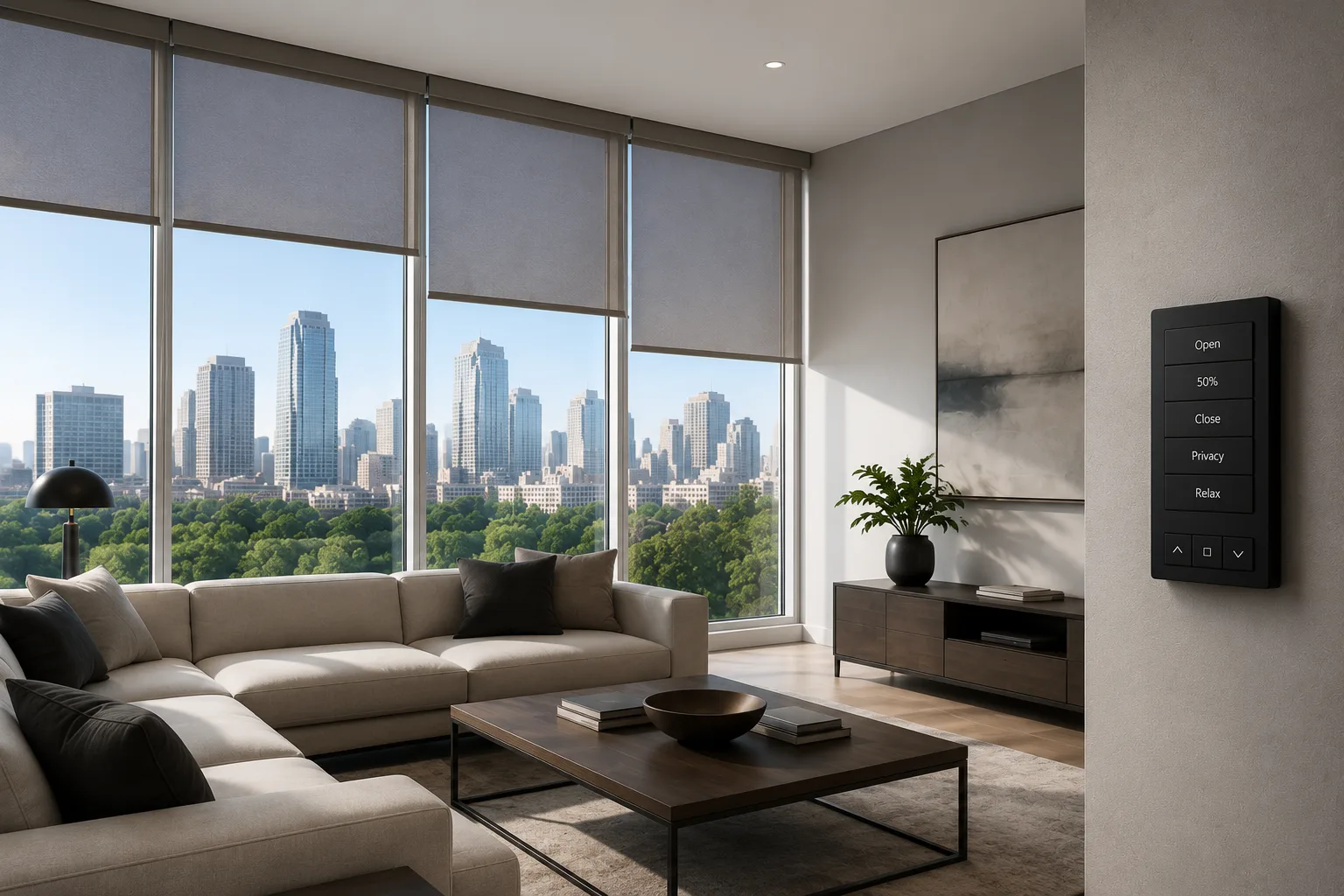
Supported shades can coordinate daylight, privacy, glare, and architectural intent—automatically or on your schedule.
Architectural light and shade control
Lighting, dimming, scene, sensor, and motorized-shading control for residential and commercial spaces. AVgator plans the infrastructure, integrations, controls, testing, and documentation around each project’s actual requirements.
Overview
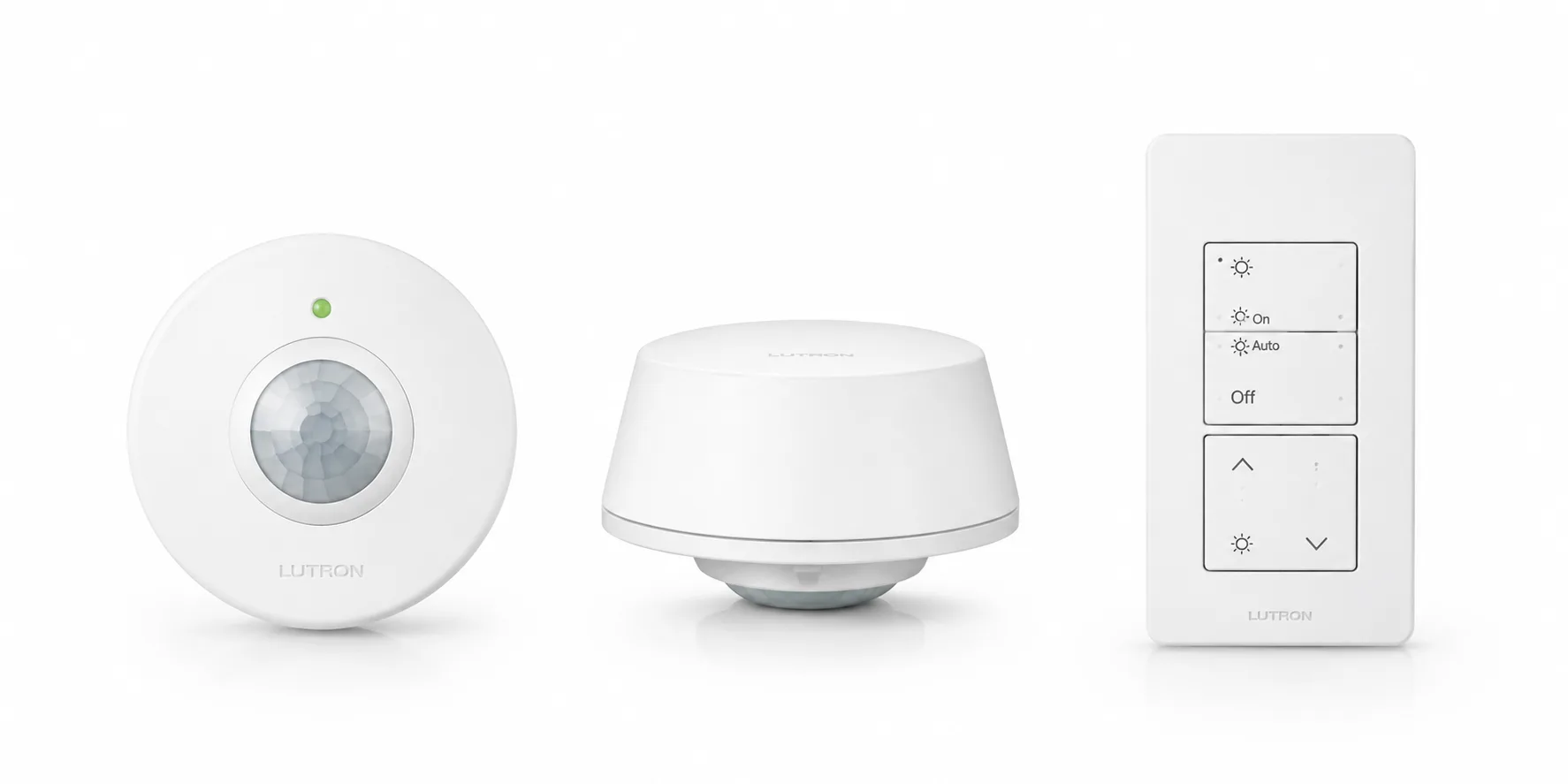
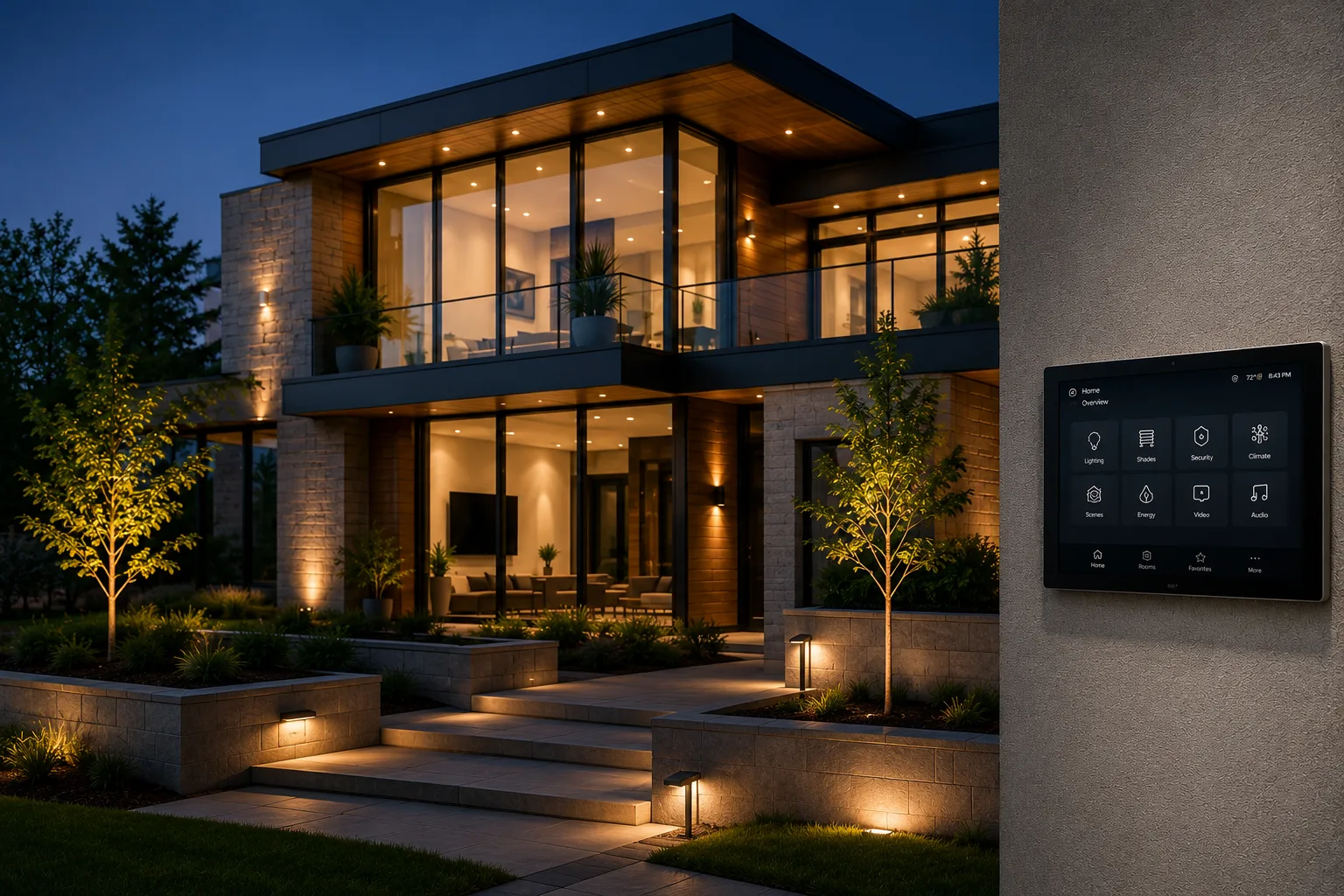
Lutron systems coordinate electric lighting and motorized shades through keypads, sensors, schedules, scenes, and compatible automation interfaces. Options span residential retrofits, centralized lighting, architectural projects, and commercial applications.
Good results depend on fixture and load compatibility, electrical coordination, shade measurements, control placement, programming, and commissioning. Lighting control should be planned as part of the architecture rather than treated as a final device selection.
Role in the system
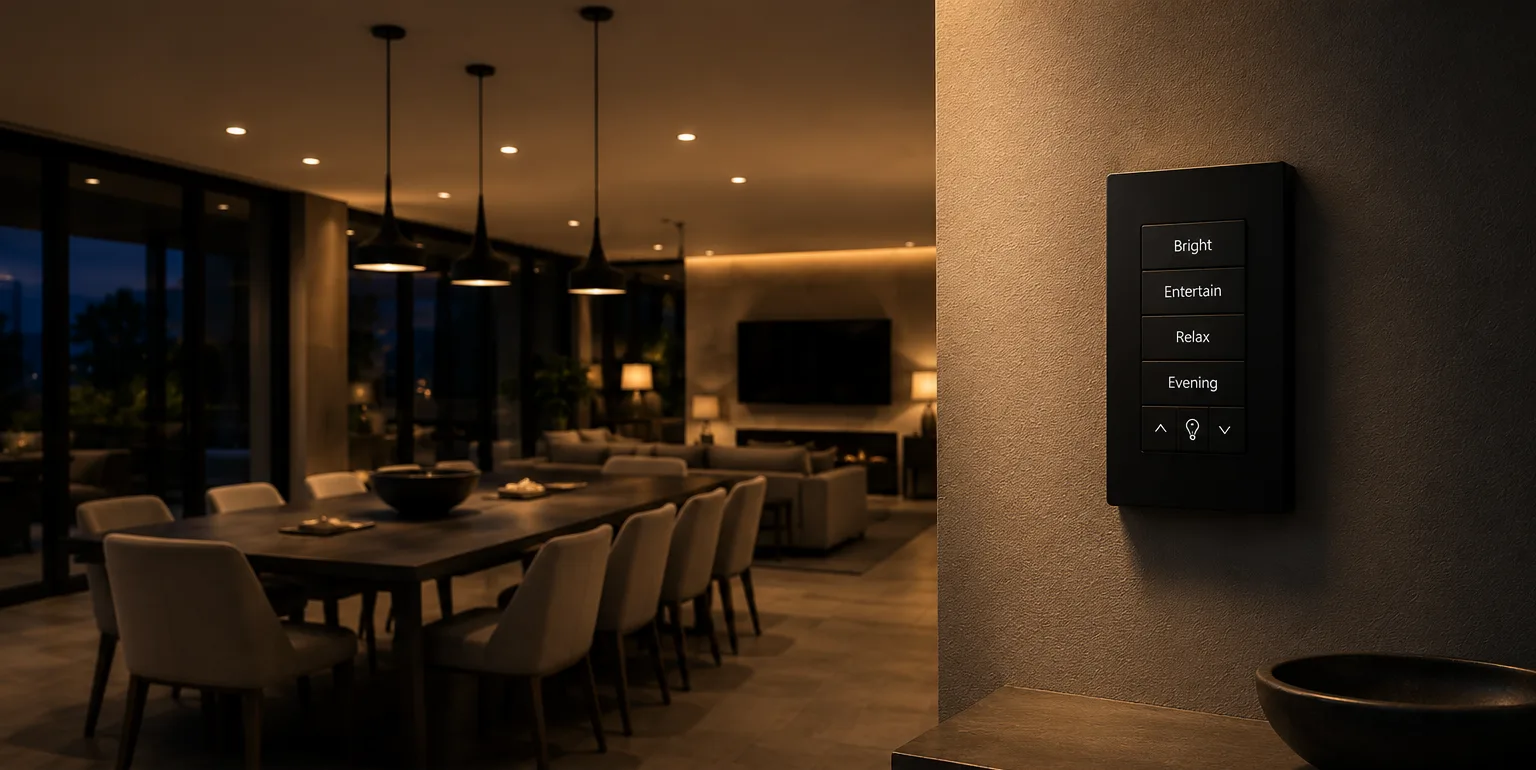
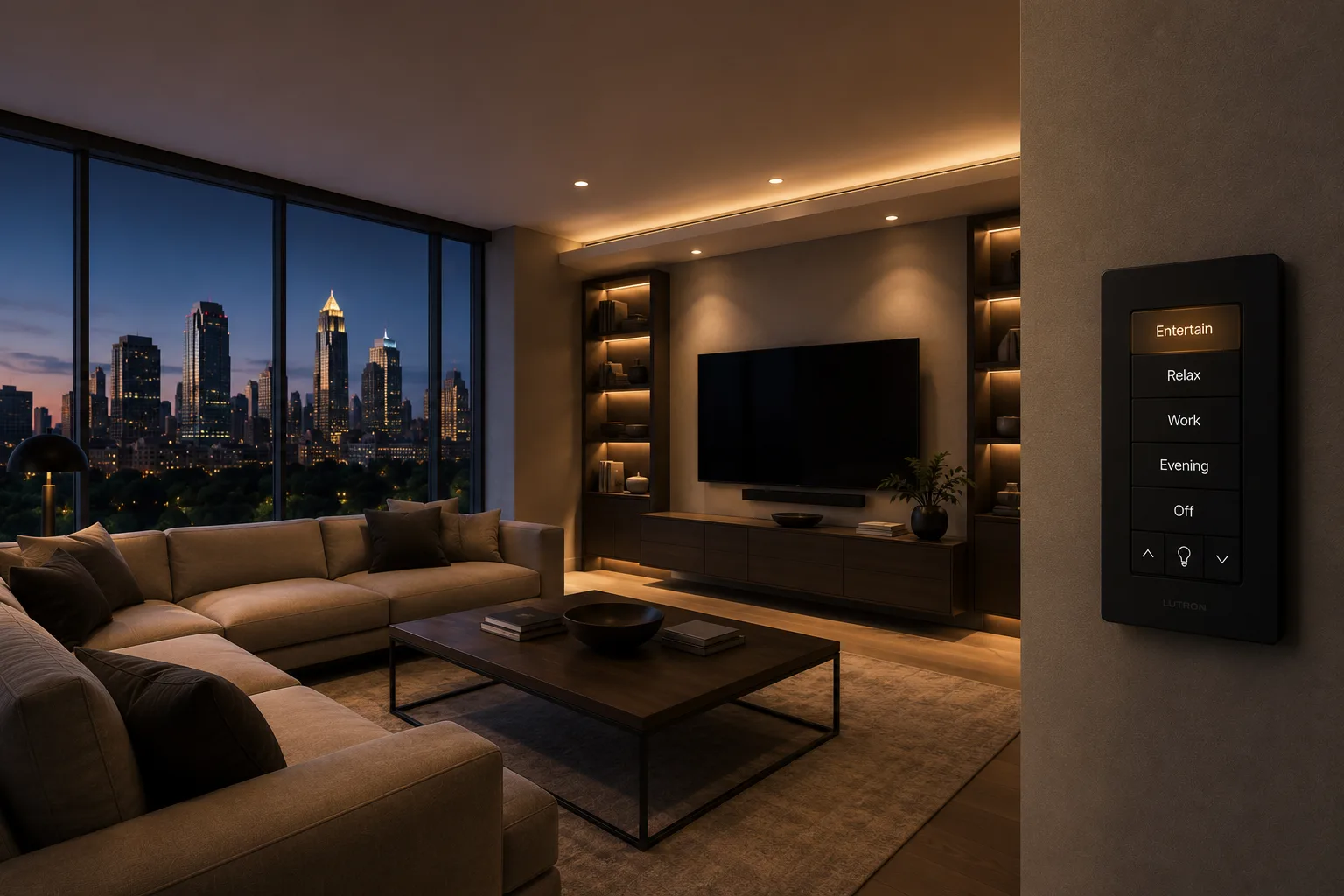
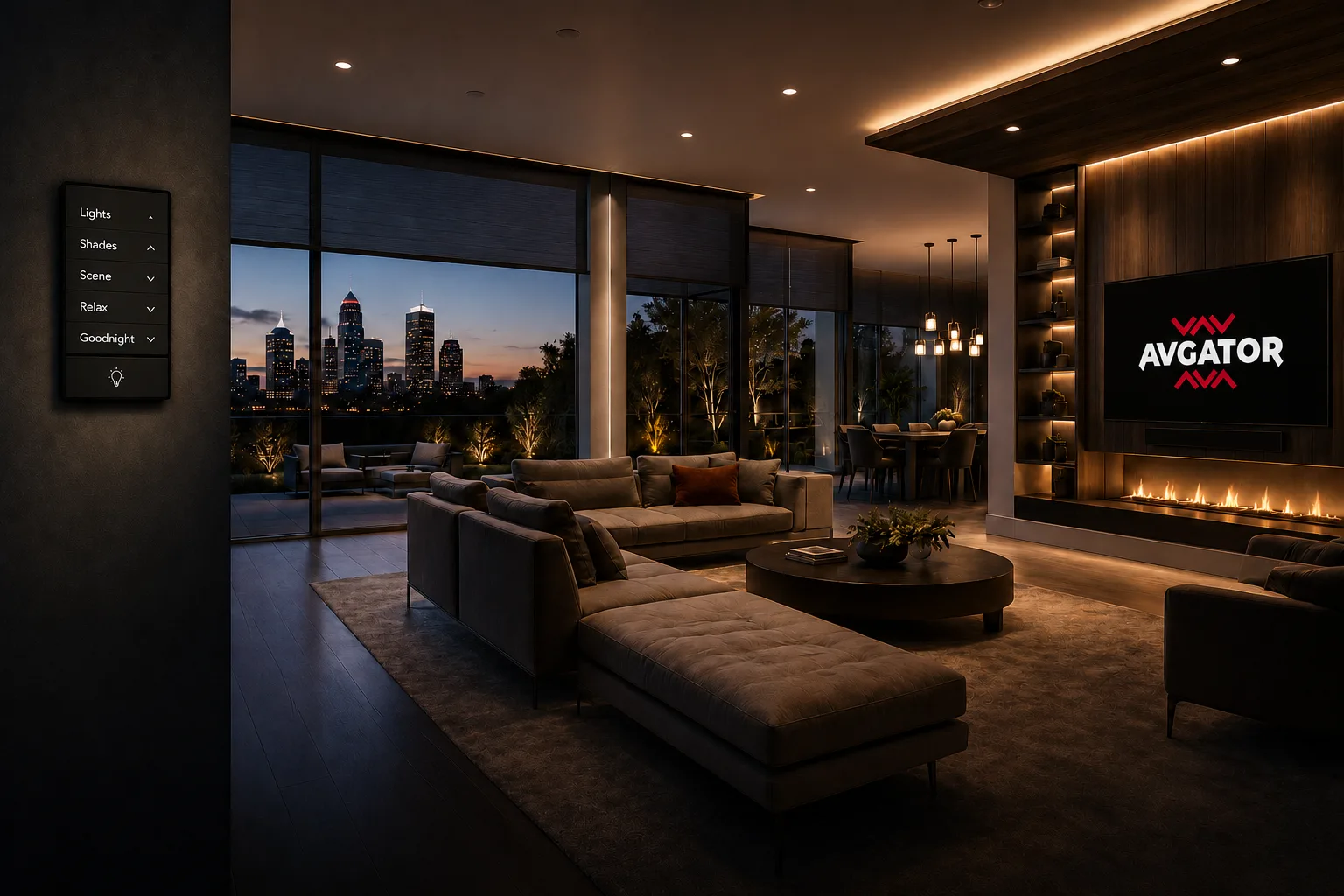
Lutron can replace rows of local switches with purposeful keypads and scenes, adjust compatible loads smoothly, respond to occupancy or daylight strategies, and coordinate motorized shades for comfort, glare control, privacy, and atmosphere.
The available feature set always depends on exact products, software, licensing, interfaces, network design, and project scope.
Key capabilities
Featured capability
Supported shades can coordinate daylight, privacy, glare, and architectural intent—automatically or on your schedule.
Best-fit applications
Simple room control and coordinated whole-home scenes.
Projects where dimming quality and control placement matter to design.
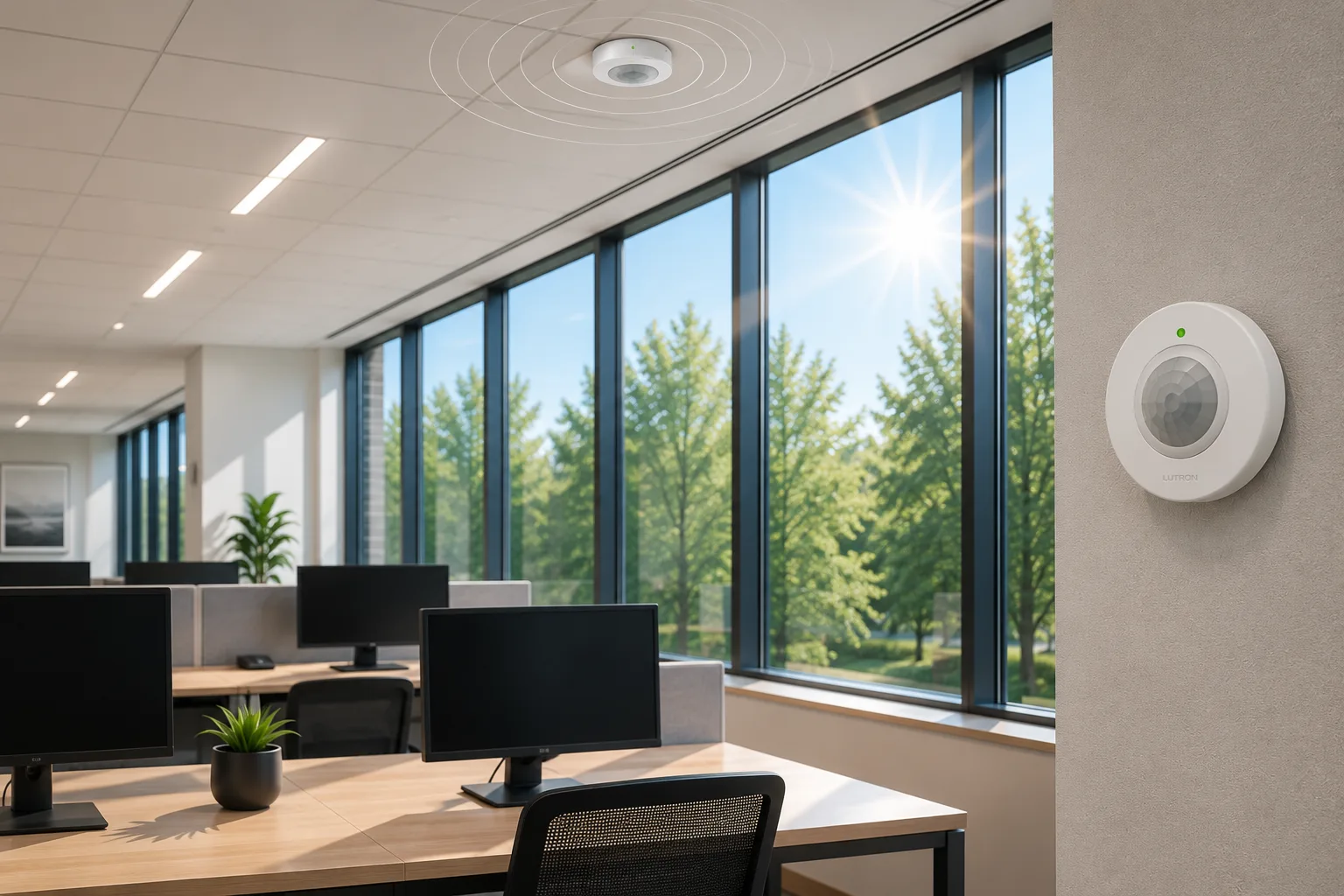
Integrated privacy, glare, and daylight management.
Repeatable lighting moods for guest and shared environments.
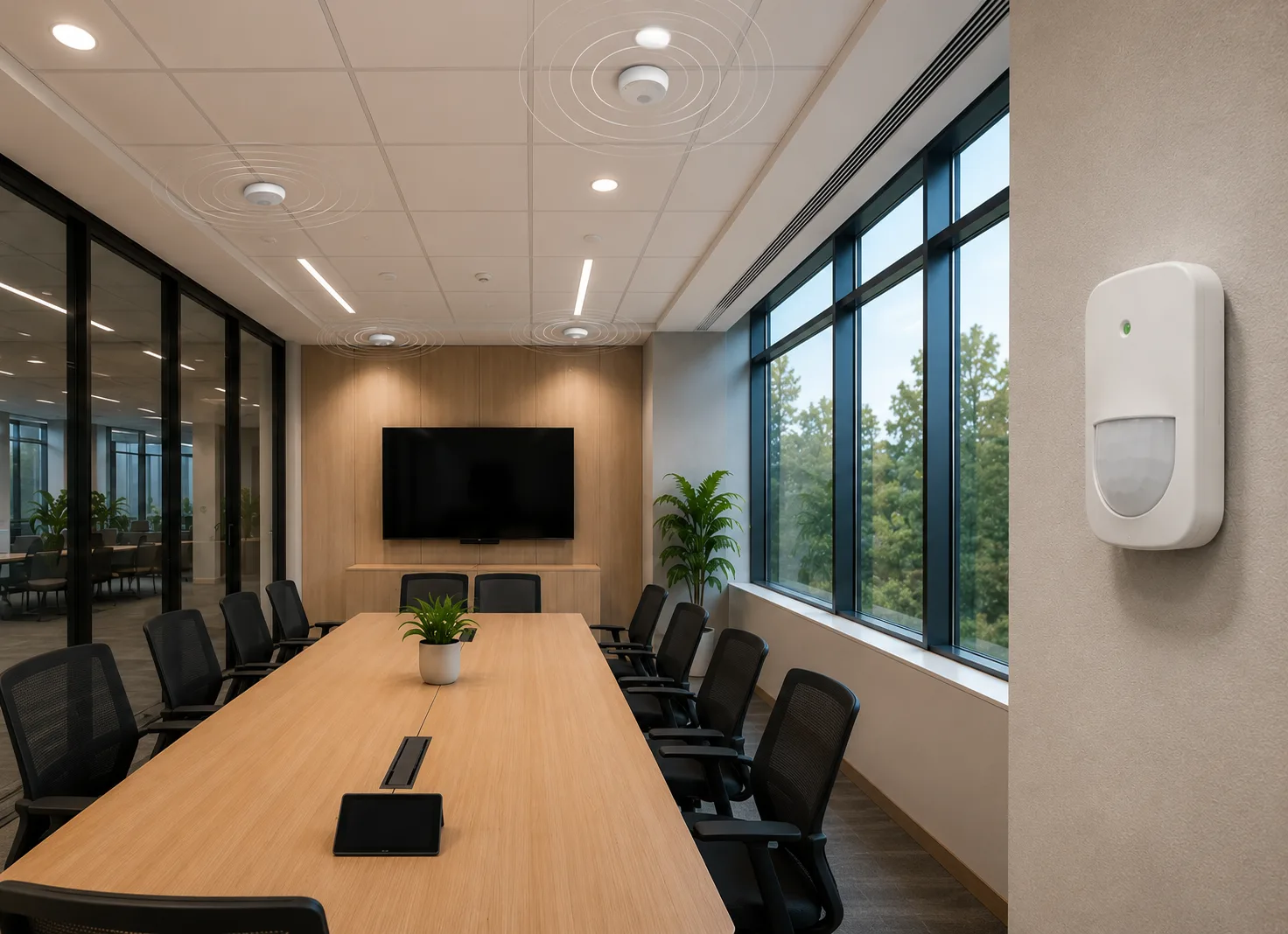
Scheduled, sensor-based, and scene-driven lighting control.
AVgator’s role
Our work connects discovery, system architecture, compatibility review, infrastructure planning, implementation, commissioning, documentation, and support.
Review lighting plans, fixture schedules, loads, controls, and shade requirements.
Coordinate electrical panels, wiring, keypad locations, pockets, power, and finish details.
Program scenes and integrations around real room use.
Commission loads, sensors, shades, controls, and owner or staff workflows.
Related services
Service
Architectural lighting control and automated shading systems for residences and commercial spaces in Charlotte and across North Carolina.
Explore service →Service
Custom home automation for lighting, climate, shades, entertainment, and security, designed and supported by AVgator in Charlotte, NC.
Explore service →Service
Professional smart home installation, programming, commissioning, and support for new construction and existing homes in the Charlotte region.
Explore service →Service
Integrated building automation for lighting, climate, energy, shading, AV, and facility visibility across commercial properties.
Explore service →Integration considerations
Explore the architecture
AI-Powered Home Control

Voice, touch, and app-based control for connected lighting, shades, climate, music, and entertainment.
Learn about JoshControl and Automation Ecosystem
A control ecosystem for tailored residential automation, commercial AV, and collaboration spaces.
Learn about CrestronResidential Automation Platform

A residential automation platform for coordinated audio, video, lighting, climate, security, and control.
Learn about Control4Open Automation Standard

An open standard for coordinated residential and commercial building automation.
Learn about KNXDigital Lighting-Control Protocol

A digital protocol for addressable luminaires, groups, scenes, commands, and status feedback.
Learn about DALIYes. Selected Lutron systems can coordinate compatible lighting controls and motorized shades through keypads, scenes, schedules, sensors, and supported integrations.
Often. The right approach depends on available wiring, load types, panel access, finish constraints, and the desired level of centralized control.
Many Lutron systems support integration with compatible control platforms. Features, processors, licenses, and programming requirements must be confirmed.
Local control places much of the switching or dimming at the room device. Centralized systems move loads to panels and use low-voltage keypads, which changes wiring, service, and design requirements.
Yes, within the capabilities of the installed system and loads. Scene refinements are a normal part of commissioning and later support.
Start with the space, intended outcomes, existing infrastructure, and systems that need to work together.