01
Infrastructure design
Outlet counts, pathways, cable types, head-end space, and service routes follow present systems and future scenarios.
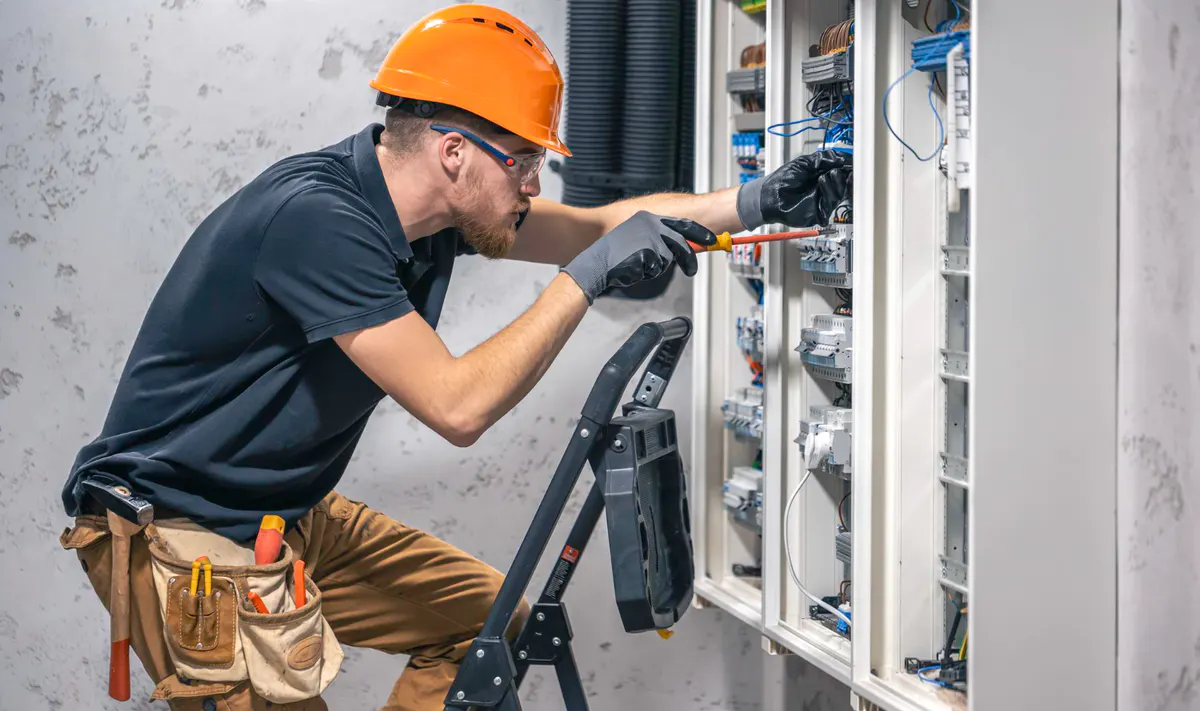
Infrastructure built to outlast devices
Give every connected system a clean, documented path to perform.
Overview
Structured cabling is the organized low-voltage foundation for networks, wireless access points, displays, audio, cameras, access control, automation, and other connected systems. Good infrastructure follows standards, respects signal limitations, provides service access, and anticipates reasonable changes in room use.
AVgator works with builders, electrical contractors, architects, homeowners, and businesses from pathway planning through final certification. We develop outlet and device schedules, cable types, rack elevations, labeling conventions, and demarcation details so every trade understands the intended result.
Installation quality matters because hidden errors become expensive after finishes are complete. We protect bend radius and separation, support cable correctly, leave serviceable terminations, test links, record labels, and deliver documentation that makes later equipment changes far less disruptive.
Features & capabilities
Outlet counts, pathways, cable types, head-end space, and service routes follow present systems and future scenarios.
Category cable is selected, installed, terminated, and tested for the link performance each application needs.
High-capacity, long-distance, and electrically isolated connections support buildings, floors, and demanding systems.
Purpose-specific cable supports displays, speakers, shades, sensors, control buses, and specialized endpoints.
Organized termination fields, service loops, and patching keep equipment areas clear and maintainable.
Link results, labeling, schedules, and as-built information provide confidence after the walls close.
What it changes
Correct cable, separation, termination, and testing reduce intermittent failures and limited performance.
Clear labels and records shorten diagnosis, additions, moves, and equipment replacement.
Planned pathways and equipment spaces prevent exposed wiring and improvised device placement later.
Capacity, conduit, fiber, and spare pathways provide options when technologies or room purposes change.
Applications
Coordinated infrastructure for current systems and future ownership.
Standards-based drops, backbone, wireless, AV, and security cabling.
Fiber and copper connectivity between buildings and equipment rooms.
Targeted pathways and upgrades planned around existing construction.
Why AVgator
We evaluate technology against the brief, coordinate details before they become site problems, and support the complete system after handover. That continuity creates a more dependable result and a clearer ownership experience.
Related technologies
AI-Powered Home Control
Voice, touch, and app-based control for connected lighting, shades, climate, music, and entertainment.
Learn about JoshNetworked AV Platform
A networked platform for professional audio, video, control, conferencing, monitoring, and collaboration.
Learn about Q-SYSControl and Automation Ecosystem
A control ecosystem for tailored residential automation, commercial AV, and collaboration spaces.
Learn about CrestronBuilding Automation Protocol
A communication protocol used by building-automation and management systems for monitoring and control.
Learn about BACnetEquipment Communication Protocol
A protocol used to exchange data with meters, controllers, power systems, and building or industrial equipment.
Learn about ModbusDigital Lighting-Control Protocol
A digital protocol for addressable luminaires, groups, scenes, commands, and status feedback.
Learn about DALIBuilding Automation Platform
A unified automation platform for lighting, climate, shading, energy, audio, access, and security.
Learn about LoxoneOpen Automation Standard
An open standard for coordinated residential and commercial building automation.
Learn about KNXFrequently asked questions
Every project has its own constraints. If your question is not covered here, our team can help define the right next step.
Ask about your project Browse all FAQsThe answer follows planned systems, distances, construction, and future goals. Typical projects combine category cable, fiber, speaker cable, coax where required, control wiring, security cable, and empty conduit to strategic locations rather than pulling the same cable everywhere.
Not automatically. Cat 6A supports higher performance over full channel lengths but is larger, less flexible, and demands compatible pathways and termination. We select cable by application, distance, environment, power requirements, and realistic lifecycle needs.
A cable can look correctly terminated and still have opens, shorts, split pairs, excessive length, poor performance, or installation damage. Testing before handover confirms the link and creates a baseline for later troubleshooting.
Usually, but access varies. Attics, crawlspaces, basements, closets, chases, and selective openings can provide routes. We survey the property and balance performance, finish impact, cost, and future access before proposing paths.
Yes. The deliverable can include cable schedules, label references, test reports, rack elevations, device locations, and relevant photos. Documentation scope is established at proposal so it matches the project's operational and construction needs.
Related services
Professional wired and Wi-Fi network design for reliable coverage, secure connected systems, remote work, entertainment, and automation.
Learn more →02Professional smart home installation, programming, commissioning, and support for new construction and existing homes in the Charlotte region.
Learn more →03Commercial audiovisual design and integration for offices, hospitality, retail, and public spaces throughout Charlotte and North Carolina.
Learn more →04Integrated security, surveillance, access, and property awareness systems for homes and businesses in the Charlotte area.
Learn more →Start a conversation
Tell us about your space, priorities, and timeline. We’ll help you understand the right scope and a clear path forward.