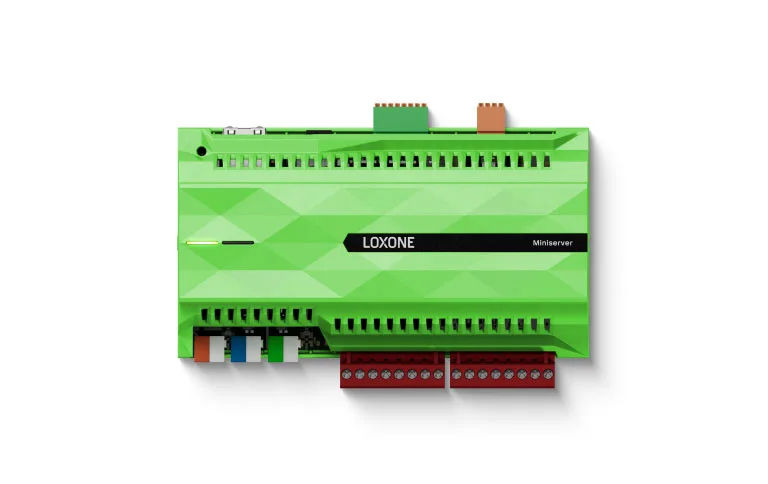
 Automation core
 Miniserver
The local control center that coordinates lighting, shading, climate, energy, audio, access, and security across the building.
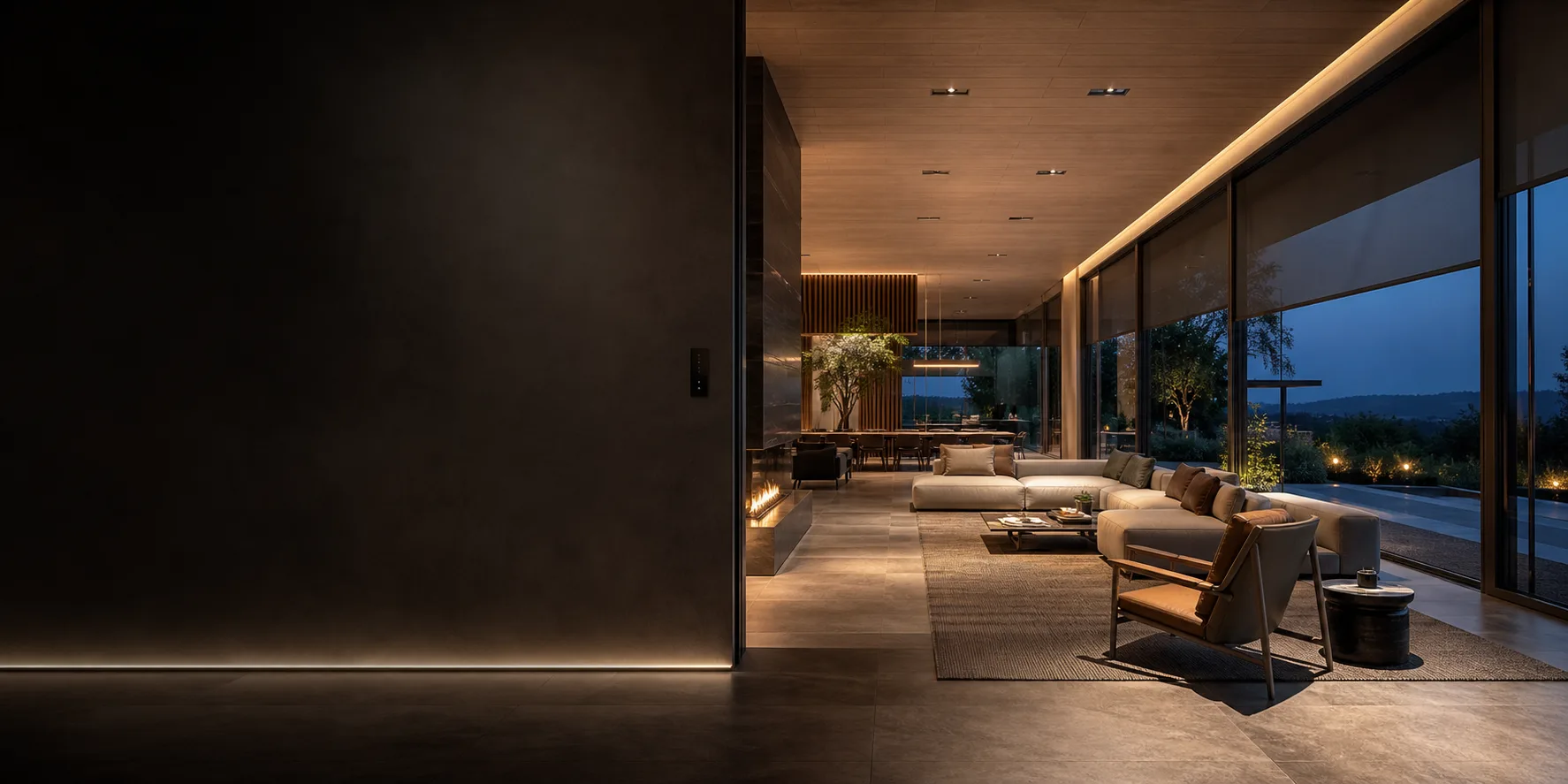
All-in-one building automation
A unified automation platform for lighting, climate, shading, energy, audio, access, and security. AVgator plans the infrastructure, integrations, controls, testing, and documentation around each project’s actual requirements.
Overview
Loxone is a building-automation platform designed to coordinate essential functions through one locally managed system. Its Miniserver-centered architecture can bring lighting, shading, climate, energy, audio, access, security, and other compatible equipment into a shared control environment.
The platform is used in smart homes as well as offices, hospitality, multifamily, and other commercial buildings. A successful system begins with clear functional requirements, planned wiring and enclosures, compatible interfaces, disciplined configuration, and complete handover documentation.
Role in the system
Loxone uses sensors, controls, extensions, software, and supported third-party interfaces to automate routine building behavior. Lighting can follow presence and scenes, shades can respond to sun and comfort requirements, room climate can be zoned, and energy use can be coordinated without asking occupants to manage several separate apps.
The available feature set always depends on exact products, software, licensing, interfaces, network design, and project scope.
The Loxone ecosystem
A Loxone project begins with the Miniserver, then adds the controls, extensions, sensing, audio, access, and energy hardware the building actually needs. AVgator plans these products as one coordinated system.
Automation core The local control center that coordinates lighting, shading, climate, energy, audio, access, and security across the building.
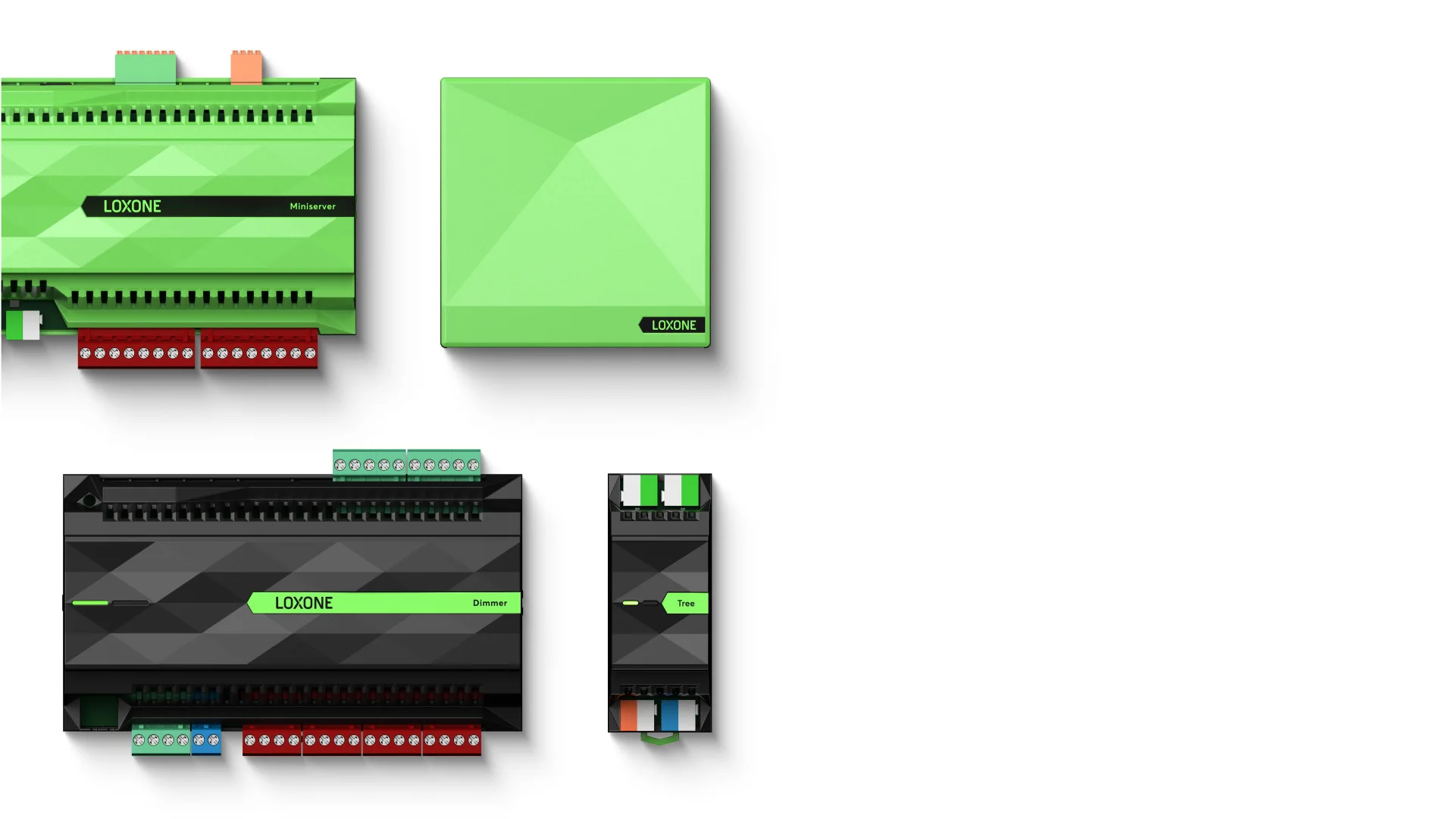 System expansion
 DIN-rail extensions add relays, dimming, interfaces, metering, and Loxone Tree connectivity as project requirements grow.
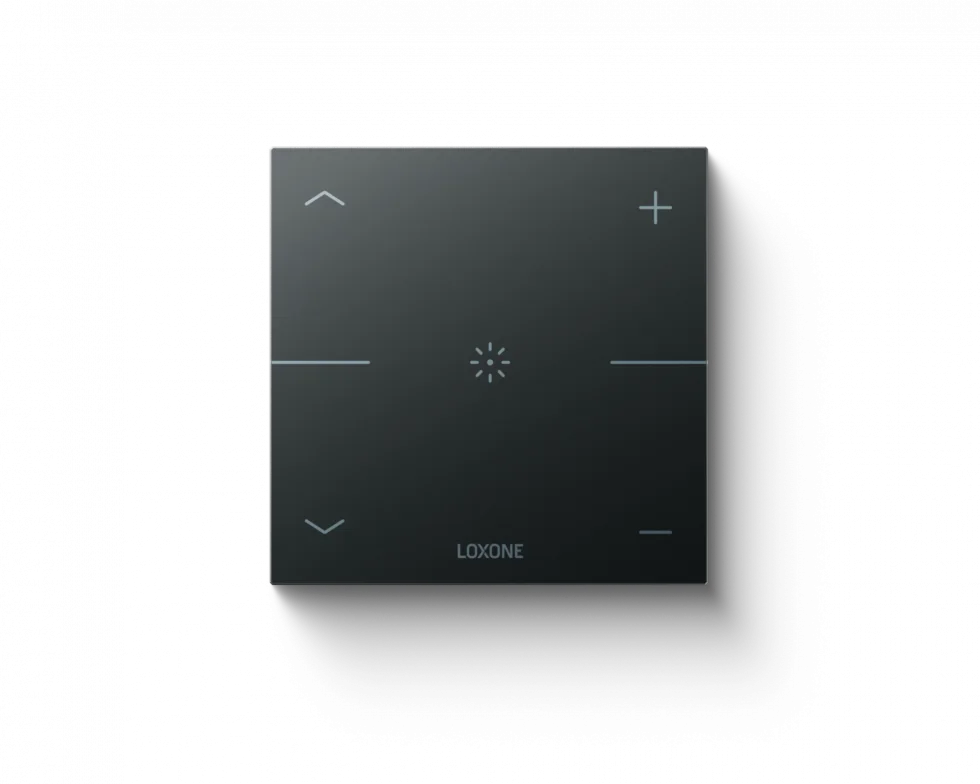 Room controls
 A glass room control for lighting, shading, audio, and climate. Touch Pure Flex adds project-specific icons, labeling, and functions.
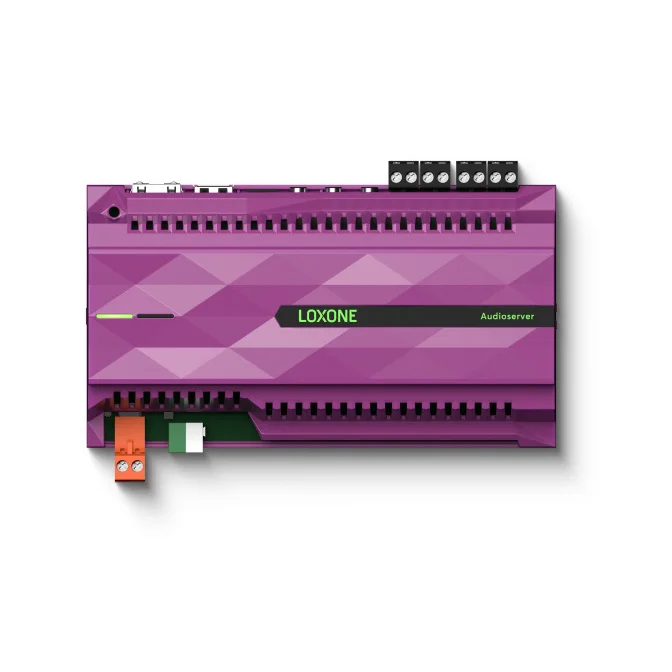 Integrated audio
 A DIN-rail audio engine for music zones, doorbells, announcements, alarms, and scalable speaker distribution.
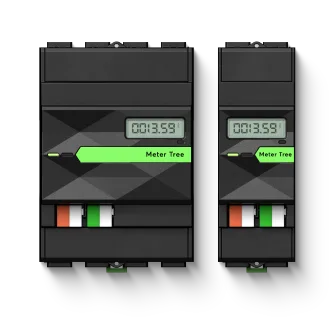 Energy management
 Tree-connected meters provide the live consumption and production data needed for coordinated energy decisions and reporting.
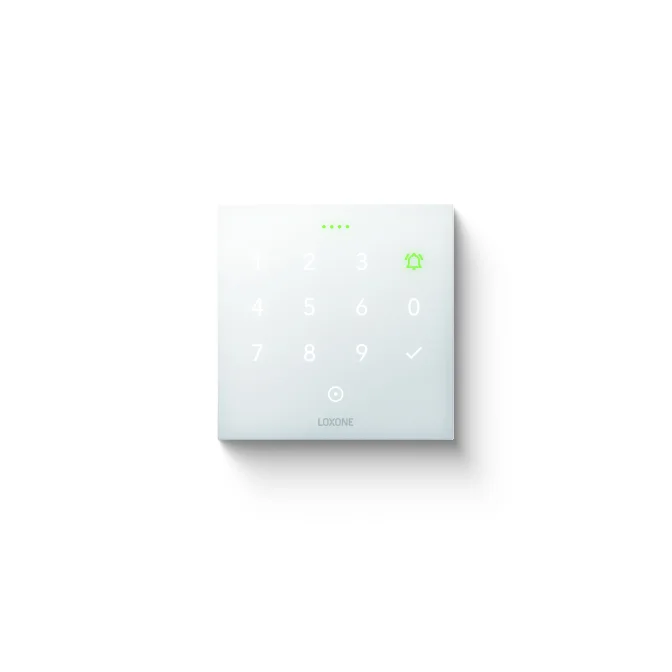 Access control
 A glass keypad and NFC reader for doors, gates, garages, user permissions, and integrated access workflows.
Designed as a system
We define room functions, infrastructure, panel capacity, integrations, network requirements, controls, and service expectations before final product selection.
Product availability, features, interfaces, and compatibility depend on the selected models, software versions, region, and project scope. Product imagery courtesy of Loxone.
Best-fit applications
One coordinated experience across comfort, lighting, access, energy, and entertainment.
Projects that can plan controls, panels, cabling, sensors, and interfaces early.
Automated guest comfort and repeatable operational behavior.
Presence-aware lighting, climate, access, energy, and shared-space functions.
Repeatable apartment controls with appropriate property-level coordination.
AVgator’s role
Our work connects discovery, system architecture, compatibility review, infrastructure planning, implementation, commissioning, documentation, and support.
Translate owner, occupant, and operator priorities into room-by-room functions and automation behaviors.
Plan the Miniserver, extensions, panels, cabling, network, sensors, controls, and third-party interfaces.
Configure and commission lighting, shading, climate, energy, audio, access, security, and user controls within the approved scope.
Test normal and failure behavior, then provide system documentation, training, backups, and a support path.
Related services
Service
Custom home automation for lighting, climate, shades, entertainment, and security, designed and supported by AVgator in Charlotte, NC.
Explore service →Service
Professional smart home installation, programming, commissioning, and support for new construction and existing homes in the Charlotte region.
Explore service →Service
Integrated building automation for lighting, climate, energy, shading, AV, and facility visibility across commercial properties.
Explore service →Service
Architectural lighting control and automated shading systems for residences and commercial spaces in Charlotte and across North Carolina.
Explore service →Service
Professional wired and Wi-Fi network design for reliable coverage, secure connected systems, remote work, entertainment, and automation.
Explore service →Service
Structured cabling and low-voltage infrastructure for networks, AV, security, automation, and future-ready residential or commercial projects.
Explore service →Service
Integrated security, surveillance, access, and property awareness systems for homes and businesses in the Charlotte area.
Explore service →Integration considerations
Explore the architecture
Open Automation Standard

An open standard for coordinated residential and commercial building automation.
Learn about KNXDigital Lighting-Control Protocol

A digital protocol for addressable luminaires, groups, scenes, commands, and status feedback.
Learn about DALIEquipment Communication Protocol

A protocol used to exchange data with meters, controllers, power systems, and building or industrial equipment.
Learn about ModbusBuilding Automation Protocol

A communication protocol used by building-automation and management systems for monitoring and control.
Learn about BACnetA designed Loxone system can coordinate compatible lighting, shading, climate, energy, audio, access, security, and other building functions through shared controls and automation logic.
No. Loxone is used in residences as well as offices, hospitality, multifamily, retail, and other commercial building applications.
The Miniserver is the central control component in a Loxone system. The complete design may also include extensions, sensors, controls, audio products, and supported third-party interfaces.
It can coordinate supported meters, generation, storage, chargers, and controllable loads when the required products, measurements, interfaces, and operating priorities are defined.
Often, through supported interfaces, extensions, APIs, or gateways. Available commands, feedback, licensing, and failure behavior must be confirmed for the exact products and software versions.
Start with the space, intended outcomes, existing infrastructure, and systems that need to work together.